Our mission is to equip people and institutions with the knowledge, skills, and innovation needed to shape a sustainable and circular future.

To build a climate-resilient world where circular systems regenerate resources, empower communities, and create lasting environmental and social impact.

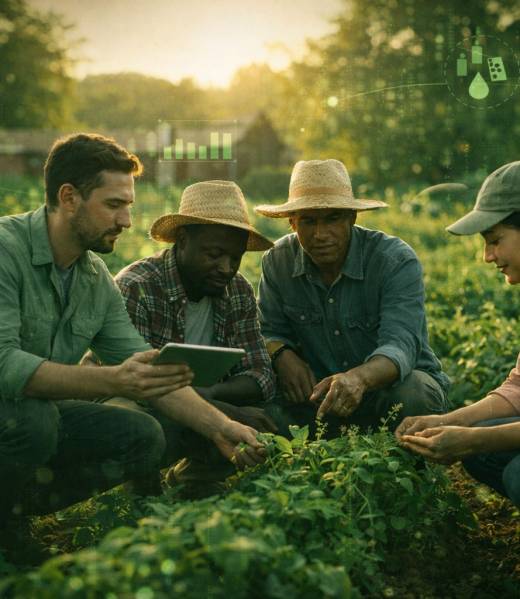
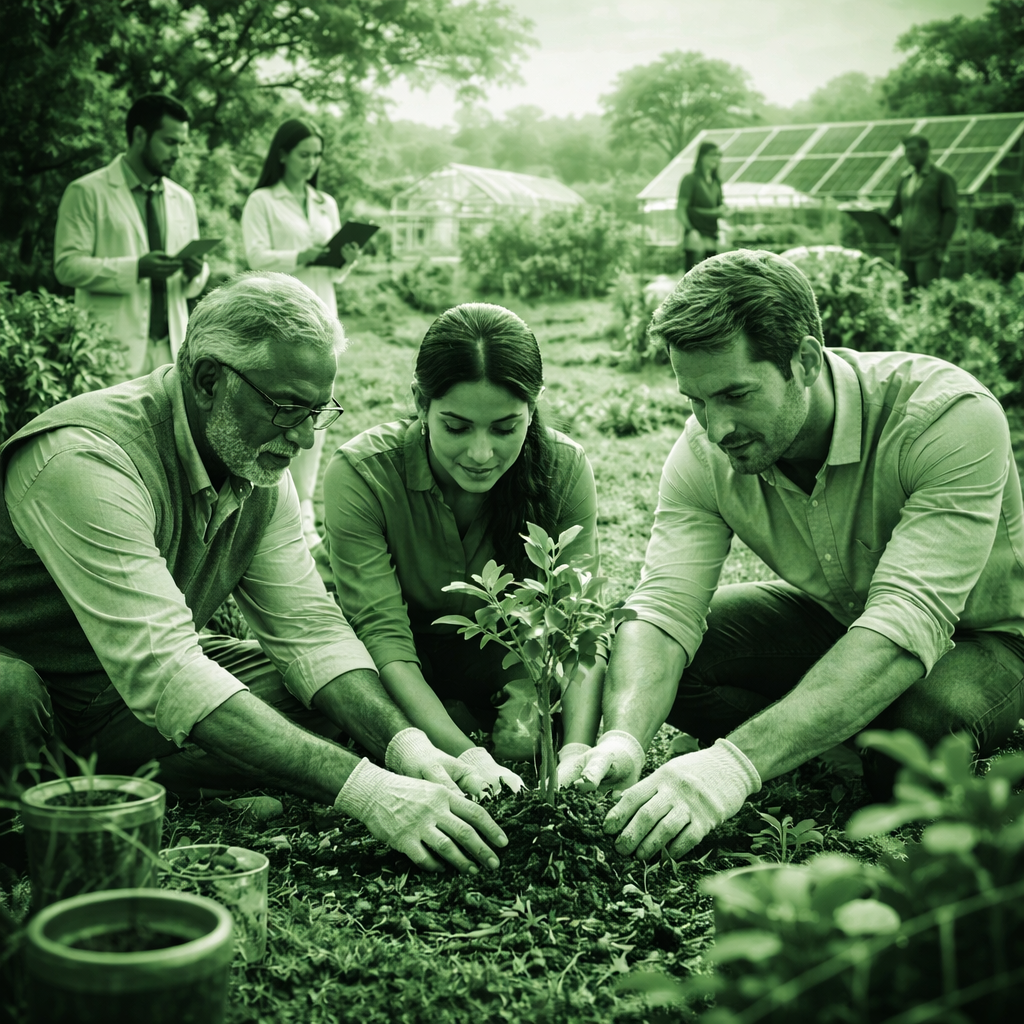
We develop integrated circular systems that connect research, education, agriculture, and communities into regenerative ecosystems. Our approach combines field-based pilots, research-driven insights, and scalable implementation models to create measurable environmental and social impact.


Our work translates research into real-world outcomes — strengthening climate resilience, restoring resources, and empowering communities.
Key Impact Areas:
Circular learning programs in schools
Regenerative agricultural practices
Community-based waste-to-resource systems
Data-backed sustainability models
The Knowledge Hub brings together our research publications, pilot findings, case studies, and practical toolkits — enabling institutions, policymakers, and practitioners to adopt circular solutions with confidence.
Built on evidence and field experience, it serves as a foundation for informed decision-making and systemic change.
Collaborating to Scale Impact
Systemic change requires strong partnerships. We work with philanthropic foundations, CSR leaders, research institutions, and community networks to design and implement scalable sustainability initiatives.
Our partnerships are built on transparency, accountability, and measurable outcomes aligned with ESG and SDG frameworks.
Adipiscing elit, do eiusm.
CSDI designs and implements research-driven circular solutions that connect farms, schools, institutions, and communities to create measurable environmental and social impact.
We collaborate with educational institutions, farmers, policymakers, corporate partners, research bodies, and community organizations to build scalable sustainability models.
Our initiatives are evidence-based, field-tested, and designed as integrated systems — ensuring long-term impact rather than isolated interventions.